The Mother by Lexie Wolf
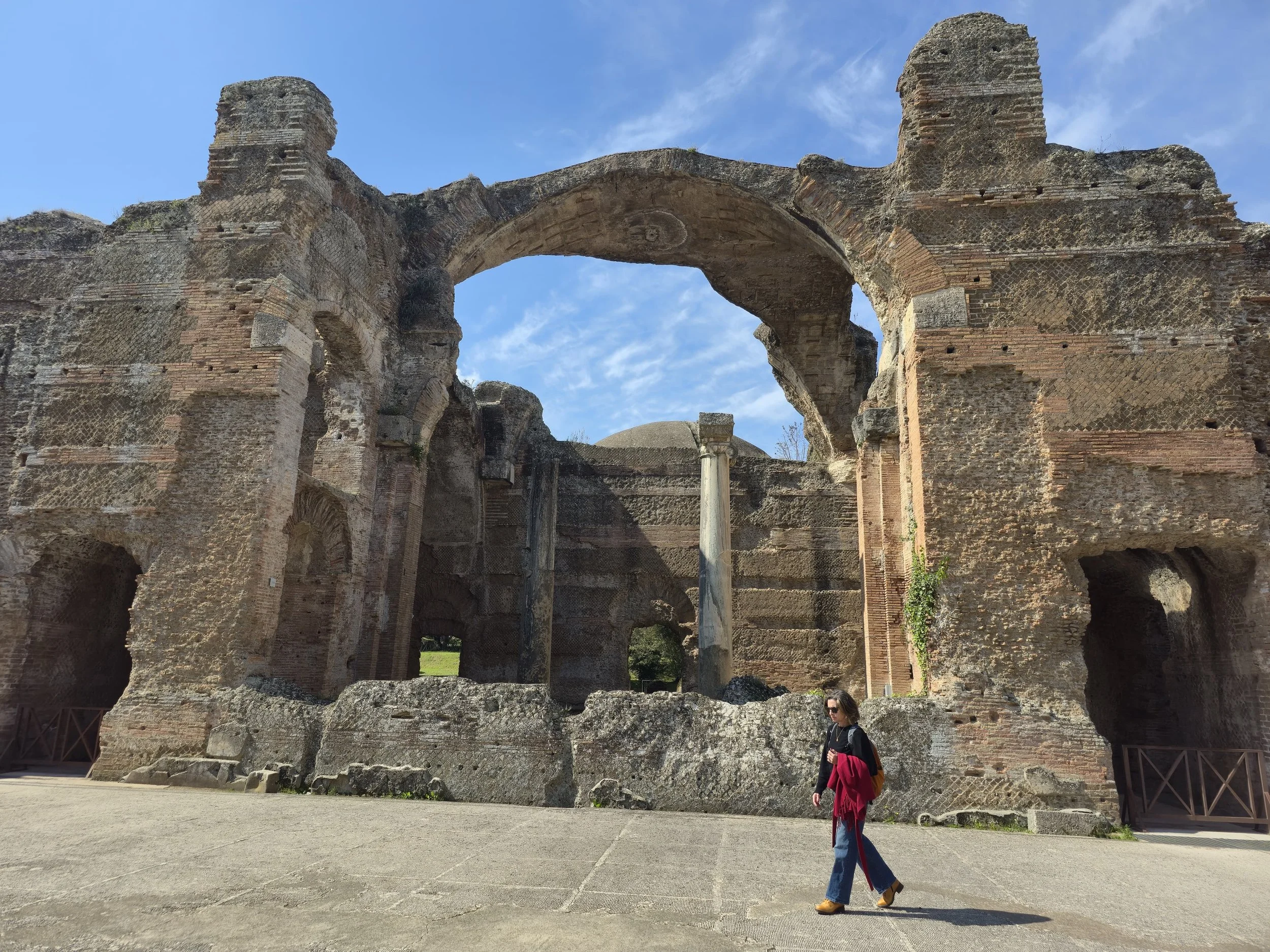
I’ve been traveling a bit, and happened to visit the Pantheon in Rome on the same day as the No Kings rally back home a few weeks ago. It was interesting and strange to scroll through images of people gathered in front of our courthouse—an ungraceful copy of the Pantheon, like so many public buildings in the U.S.
Thank you to all who organized and showed up. Thank you for allowing the anger in enough to spur action. Anger may be a necessary poison, but it doesn’t feel good. And it is the least of the suffering unfolding right now.
In my little 3-D dive into Greco-Roman culture these past two weeks, it was impossible to miss the through line: men organizing societies around the workings of their lower minds—not the part of us capable of wisdom or care, but the part driven by fear, dominance, control, greed, and the need to secure and protect at all costs. Obvious, yes, I know. But it was inescapable and in my face last week. Greed and fear don’t just operate alone—they recruit. They need buy-in and numbers.
As I wandered through the lasagna layers of Rome, Naples, Pompeii—trying to track who did what, and why, and when—it all began to blur. Men killing each other, subjugating women, torturing and enslaving people in the name of Apollo or Augustus or Jesus. There is breathtaking brilliance—art, science, architecture, engineering, philosophy. What shall we do with that brilliance, guys? Hey, let’s build a world-class amphitheater so we can watch men torture animals and each other for sport.
I grew up a comfy Gen-X kid with peacenik parents. In the cartoons of my childhood, the villains were always unmasked in the end as regular people—just scared of something. Some part of me still sees the world or really wants to see the world- like a Scooby Doo cartoon. When I look at the Orange Emperor and especially his supporters, I can feel pity. The depth of fear—still so active in a time that is, comparatively, peaceful and prosperous—feels almost surreal. As if some of us have evolved, and others simply haven’t gotten the memo that it doesn’t have to be this way.
But the consequences are not abstract. The suffering is real.
We were in Sorrento for Easter weekend. After sunset on Good Friday, men and boys in black robes and hoods—only their eyes visible—moved slowly through the streets carrying torches and crosses. At the very end, they carried a statue of the Virgin Mary—the grieving mother—into the church. A brass band followed, low and mournful. The crowd stood in silence.
It is always the Mother who is left to carry the grief:
For wars she did not start,
For power she did not seek,
For the endless consequences of men who never grew beyond their fear.